
Comparison
Syntica vs Lovable
Build in a normal Claude chat, and pay for what your app runs on, not for every message. Lovable builds with its own agent and charges credits for each change.
Last checked 20 October 2026, against Lovable's own pricing page and documentation. The sources are at the bottom of this page.
Where they differ
Build in a normal chat with Claude
Describe what you need in a Claude chat, on claude.ai or in the desktop app, and Syntica puts it live. No install, no terminal and no coding agent needed. Developers on your team can work on the same apps with Claude Code, Codex or Cursor whenever they want.
In Lovable, every change goes through Lovable's own agent and costs credits, also when you send it from Claude through the Lovable MCP server.
A normal chat with Claude
Add an approval step. Anything over €5,000 goes to finance first.
Done. Orders over €5,000 now go to finance. Want to try it before I put it live?
Looks good. Put it live.
It's live for the whole team.
Developers on your team can use their own tools too
Claude CodeCursorCodexCopilotWindsurfGemini
You pay for what runs, not for every message
Each app is billed on the machine it runs on, its backups and its traffic. How many messages you send, and how many people use the app, never changes the bill. Your AI subscription is your own, with whichever provider you choose.
In Lovable, each message costs credits, more for bigger changes, and hosting beyond the included amount and AI features in your app draw from the same balance.
Your code and data stay in your own accounts
The code lives in your own GitHub account, connections use credentials from your own accounts, and each app runs on its own server in Frankfurt. Keep it running with us, hand it to your IT team, or move it elsewhere.
In Lovable, the backend, the database and secrets live in Lovable Cloud, and connector credentials are managed by Lovable and cannot be copied out.
Orders portal
Owned by your organisation
Standard code, no lock-in
Keep it running with usRunning
Hand it to your IT teamThey take it as is
Move it to another providerRuns anywhere
IT can see it and take it over
Every app shows up in one overview: who built it, who can use it, and what state it is in. Access is by role, and IT can take any app over as ordinary code when it becomes important.
Lovable keeps building, hosting and AI together on one platform. Syntica is built so an app can outgrow the person who built it, and the platform too.
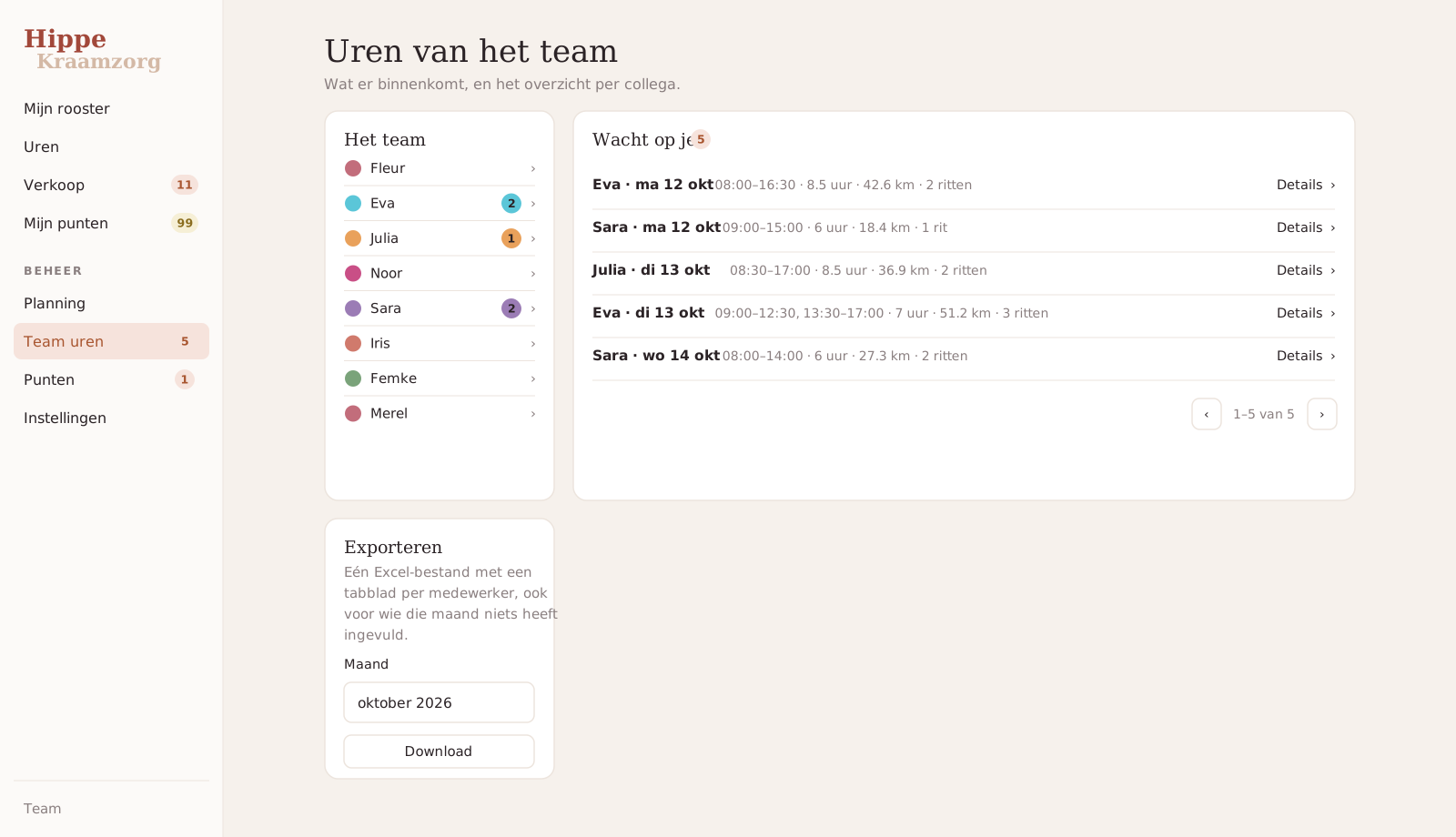
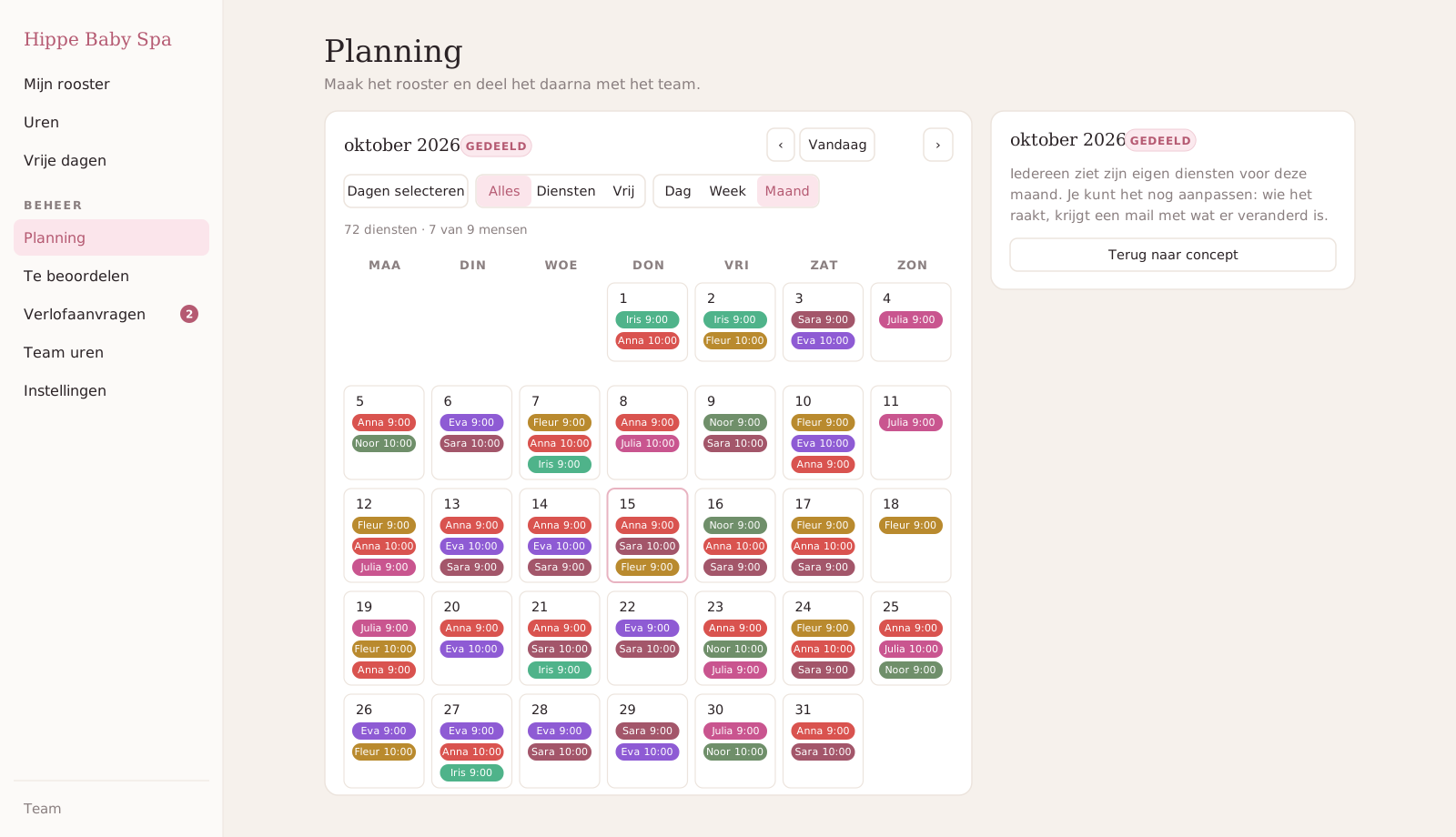
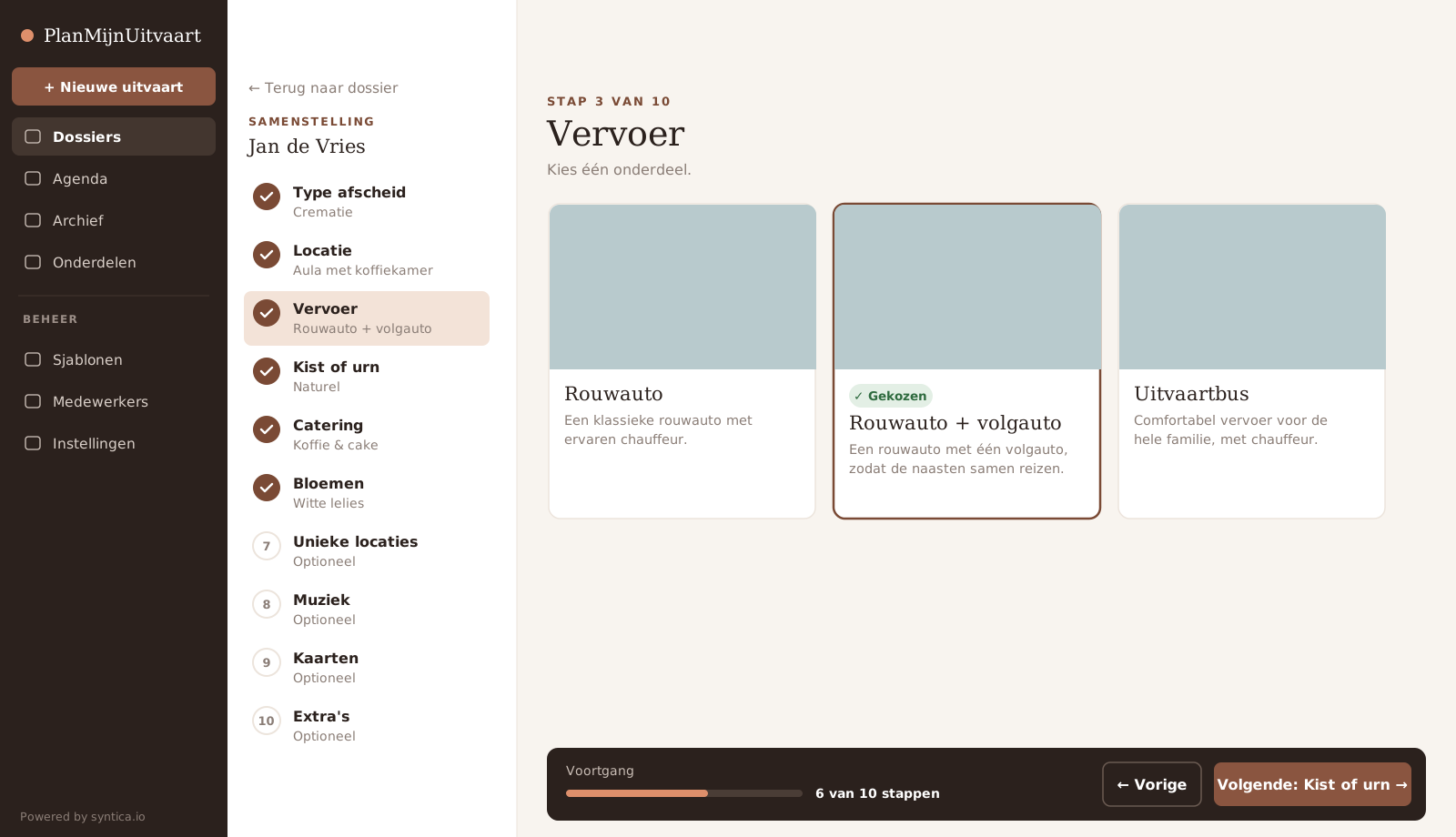
Already running on Syntica
Three small businesses run their apps on Syntica today, each built in a conversation with Claude.
Which one fits you
Both turn a conversation into a working app. They differ in who does the building and what you keep.
Pick Lovable if
- ✓You want to design by clicking around in a visual editor
- ✓You want the database, sign-in and hosting set up for you, in Lovable Cloud
- ✓You want AI features in your app without arranging your own API keys
- ✓You want building, hosting and AI features from one subscription
Pick Syntica if
- ✓You want to build in a normal Claude chat, with nothing to install
- ✓You want the code, the connections and the data in your own accounts
- ✓You want a running cost per app you can predict, without credits
- ✓You want IT to be able to see and take over what you build
Good to know: apps run in Frankfurt, there is no SLA yet, and Syntica is in closed beta.
Every difference at a glance
The same comparison point by point, taken from their own documentation.Show all differences ↓
Questions
“What happens to my bill when my app gets busy?”
Nothing changes per user or per message. You pay for the machine size, backups and traffic you picked. Traffic comes from one bundle for your organisation, and when it runs out it stops instead of billing on, with an email at 70% first.
“Is Syntica cheaper than Lovable?”
Syntica doesn't charge for building at all: no credits, no tokens, no cost per message. You pay per application for what it runs on, and your own AI subscription. Lovable charges credits for building, for hosting beyond what is included and for AI features in your app. Our prices are published when the beta opens.
“Does Syntica charge for AI?”
No. We don't run an agent and we don't meter tokens or credits. You use the AI you already pay for, such as a Claude subscription, and Syntica charges for the infrastructure your apps run on.
“Can I use Claude Code with Lovable?”
Yes, through the Lovable MCP server. Claude Code can create projects, read the code and send messages to Lovable's agent, which then makes the changes. Lovable's documentation says standard credits apply to those messages. You can also edit the code locally and push it back through Git sync.
“Where does my data live?”
On Syntica, each app runs on its own server in Frankfurt, in the EU, and its code sits in your own GitHub account. Connections to systems like Microsoft 365 or Stripe use credentials from your own accounts.
“Can I take my Lovable app to Syntica?”
Talk to us and we'll look at your app with you. A Lovable project syncs to GitHub as code you own, which is a good start. Its database, backend and secrets live in Lovable Cloud and need moving separately, and we haven't published a tested route for that yet.
“What doesn't Syntica do yet?”
Apps run in one region, Frankfurt. There is no availability SLA yet, a deploy briefly interrupts the app, and there is no visual editor or single sign-on. Prices are published when the closed beta opens.
Sources
Every claim about Lovable on this page comes from Lovable's own pages, checked on 20 October 2026. If something has changed, let us know and we will correct it.
Lovable pricing: what credits pay for and how they are granted
Lovable MCP server: outside agents, and credits for messages
Git sync overview: what syncs to your repository and what stays in Lovable Cloud
Want to build with your own agent?
Syntica is in closed beta. Join the waitlist, or talk to us if you're weighing a move.
Get your spot in the beta.
We open spots from the waitlist, oldest first. When yours opens, the free tier is a real environment with a real URL. No card.
We use cookies
We use essential cookies to run the site and optional ones to understand usage. See our Privacy Policy.